
TV Buying Guide 2026

Choosing the Best TV Technology in 2026

RGB Mini LED, Mini LED, OLED or QLED?

  • By the Atlantic Electrics team
  • Updated

Brighter pictures, deeper contrast and richer colour: TV technology is moving faster than ever. We compare the four leading display technologies side by side, so you can choose the right screen for your room, your viewing and your budget.

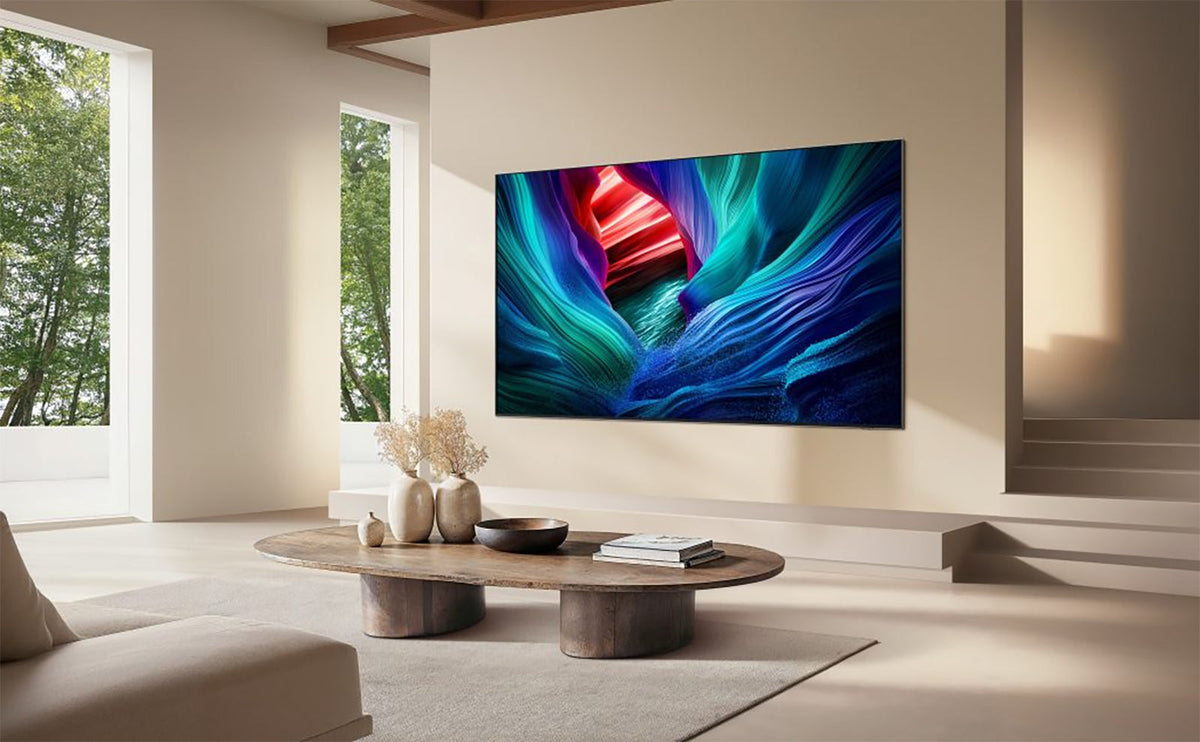
Samsung TV wall-mounted in a bright modern living room
Before you buy

What to consider before choosing a TV

The best TV technology depends on how and where you watch. Start with these six key questions.

Budget

Every technology spans a range of prices. Setting a budget early helps you focus on the models that deliver the most for your money.

Room lighting

Bright, sunlit living rooms call for a high-brightness screen, while darker rooms let deep blacks and contrast take centre stage.

Viewing habits

Consider where you sit, how long the TV is on each day and whether the family watches from wide angles.

Screen size

Match the screen to your room and seating distance. Larger screens make differences in picture technology even more noticeable.

Films, sport or gaming

Cinematic films, fast-moving sport and next-gen gaming each benefit from different strengths, so think about what you watch most.

Must-have features

Look beyond the panel at refresh rate, HDR support, HDMI 2.1 for gaming, the smart TV platform and long-term reliability.

The technology

TV display technologies explained

From self-lit OLED pixels to the latest RGB Mini LED backlights, here is how each display technology creates its picture, and where it shines.

RGB
Red, Green, Blue
LED
Light Emitting Diode
OLED
Organic Light Emitting Diode
QLED
Quantum Dot LED
Sony RGB Mini LED TV backlight with red, green and blue LEDs
Sony RGB Mini LED
The newest innovation

What is RGB Mini LED?

The latest leap in TV display technology. Instead of a white backlight passing through colour filters, RGB Mini LED uses individually controlled red, green and blue LEDs to create colour directly at the source.

The result pairs the dazzling brightness of Mini LED with colour accuracy and contrast that approach OLED quality, making it one of the most exciting technologies of 2026.

  • Potentially the brightest TVs available, with peaks claimed of up to 10,000 nits
  • Exceptionally wide colour gamut and improved colour accuracy
  • Contrast that improves on conventional Mini LED

Ideal for: viewers who want the very latest picture technology and a spectacular HDR experience.

Samsung Mini LED TV showing a bright lake scene with a kayaker
Samsung Mini LED
Precision backlighting

What is Mini LED?

Mini LED TVs use thousands of tiny LEDs behind the screen, grouped into dimming zones that can brighten or dim independently. This gives far more precise control over light than a traditional LED TV.

The light passes through colour filters or a quantum dot layer to create a punchy, vivid picture that holds up even in the brightest rooms.

  • Outstanding brightness for daytime viewing
  • Powerful, impactful HDR performance
  • Vibrant colours with precise local dimming

Ideal for: bright living rooms, sport and HDR films watched during the day.

LG OLED TV mounted on a living room wall above a sideboard
LG OLED TV
Self-lit pixels

What is OLED?

OLED has no backlight at all. Every pixel produces its own light and can switch off completely, delivering true, perfect blacks with no glow or blooming.

That pixel-level control creates breathtaking contrast and depth, with picture quality that stays consistent even when viewed from the side of the room.

  • Perfect blacks and the highest contrast available
  • Rich, natural colour with excellent accuracy
  • Wide viewing angles for the whole family

Ideal for: film lovers and home cinema set-ups, especially in dimmer rooms.

Samsung QLED TV with vibrant blue quantum dot colour on screen
Samsung QLED TV
Quantum dot colour

What is QLED?

QLED TVs add a layer of microscopic quantum dots to the screen. When lit by the backlight, these dots produce a wider and more accurate range of colours for a bright, lifelike picture.

It is a proven, dependable technology that delivers vivid colour and strong brightness at a very competitive price.

  • Highly vibrant colours and impressive colour volume
  • Strong brightness for well-lit rooms
  • Excellent value for money

Ideal for: everyday family viewing and anyone after great picture quality on a sensible budget.

At a glance

RGB Mini LED vs Mini LED vs OLED vs QLED

A side-by-side comparison of the picture qualities that matter most: brightness, black levels and colour.

RGB Mini LED vs Mini LED vs OLED vs QLED
FeatureRGB Mini LEDMini LEDOLEDQLED
BrightnessPotentially the brightest, with peaks claimed of up to 10,000 nitsExceptional, ideal for bright rooms and HDRMuch improved, but generally below Mini LED peaksStrong, great for well-lit rooms
Black levelsImpressive contrast, improving on standard Mini LEDExcellent, with possible minor blooming around bright objectsPerfect blacks and the highest contrastGood, depends on the backlight and local dimming
ColourExceptionally wide gamut with improved accuracyVibrant, with some light loss through filtersRich, natural and highly accurateHighly vibrant with impressive colour volume
Ideal forCutting-edge HDR and colourBright rooms and daytime viewingFilms and dark-room viewingGreat picture at great value
LG RGB Mini LED TV showing a vivid close-up of colourful flowers
LG RGB Mini LED
Your questions answered

TV technology FAQs

What is the difference between OLED and QLED?

OLED TVs have no backlight: each pixel creates its own light and can switch off completely for perfect blacks and outstanding contrast. QLED TVs use an LED backlight with a quantum dot layer, which delivers vibrant colour and strong brightness, usually at a more competitive price.

Is RGB Mini LED better than OLED?

It depends on your room and what you watch. RGB Mini LED can reach much higher peak brightness, with some manufacturers claiming up to 10,000 nits, and offers an exceptionally wide colour range. OLED still leads for perfect blacks and contrast, especially in darker rooms.

Is Mini LED the same as QLED?

Not quite. Mini LED describes the backlight: thousands of tiny LEDs that allow more precise dimming. QLED describes the quantum dot layer that enhances colour. Many Mini LED TVs also use quantum dots, combining both technologies.

Which TV technology is best for a bright room?

Mini LED and RGB Mini LED are the strongest choices for bright, sunlit rooms thanks to their very high brightness. QLED is also a great option for well-lit spaces if you are working to a tighter budget.

Which TV technology is best for films?

OLED is the top choice for film lovers. Its self-lit pixels produce perfect blacks and exceptional depth, which is particularly impressive when watching in a dimmed room.

What should I look for in a TV for gaming?

Alongside picture technology, check for a high refresh rate, HDMI 2.1 support and strong HDR performance. These features help next-generation consoles and gaming PCs look and play at their best.

Ready to find your perfect TV?

Browse the latest RGB Mini LED, Mini LED, OLED and QLED televisions from the world's leading brands.